
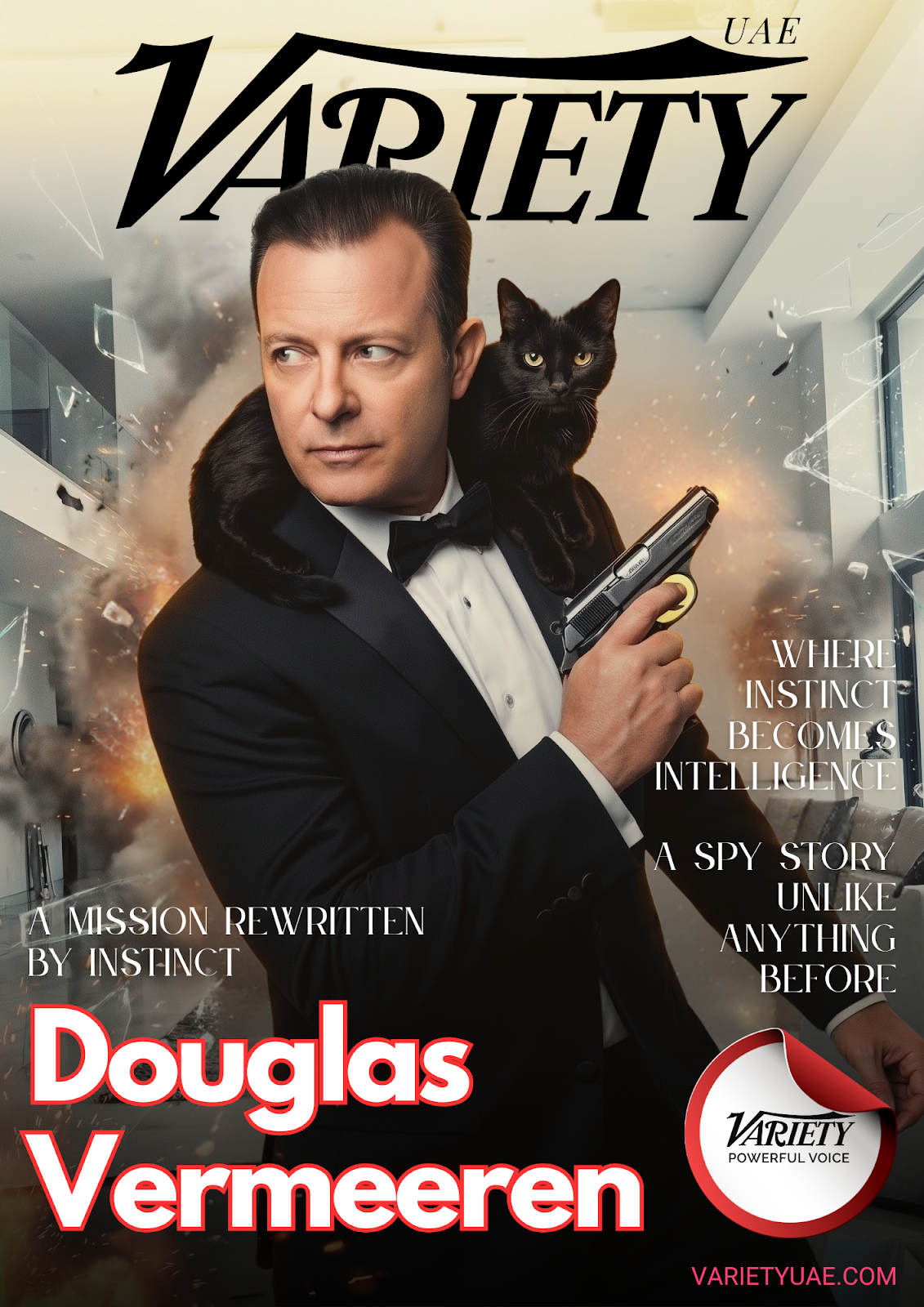
A Bold Reinvention in a Changing Industry
For an actor whose career has been defined by transformation, intensity, and fearless exploration, The Spy and The Cat marks one of Douglas Vermeeren’s most daring creative leaps. Known for commanding performances across more than 200 film and television productions, Vermeeren now steps into an entirely new storytelling dimension—vertical microdrama.
At first glance, the concept may seem unconventional: a high-stakes espionage narrative paired with a mysterious feline co-lead, delivered in short-form, mobile-optimized episodes. Yet beneath its seemingly playful premise lies a deeply strategic move—one that aligns perfectly with the evolving consumption habits of global audiences.
This is not a scaled-down experiment. It is a reimagining of how cinematic storytelling can exist in a mobile-first world.
Reimagining the Spy Genre for the Mobile Age
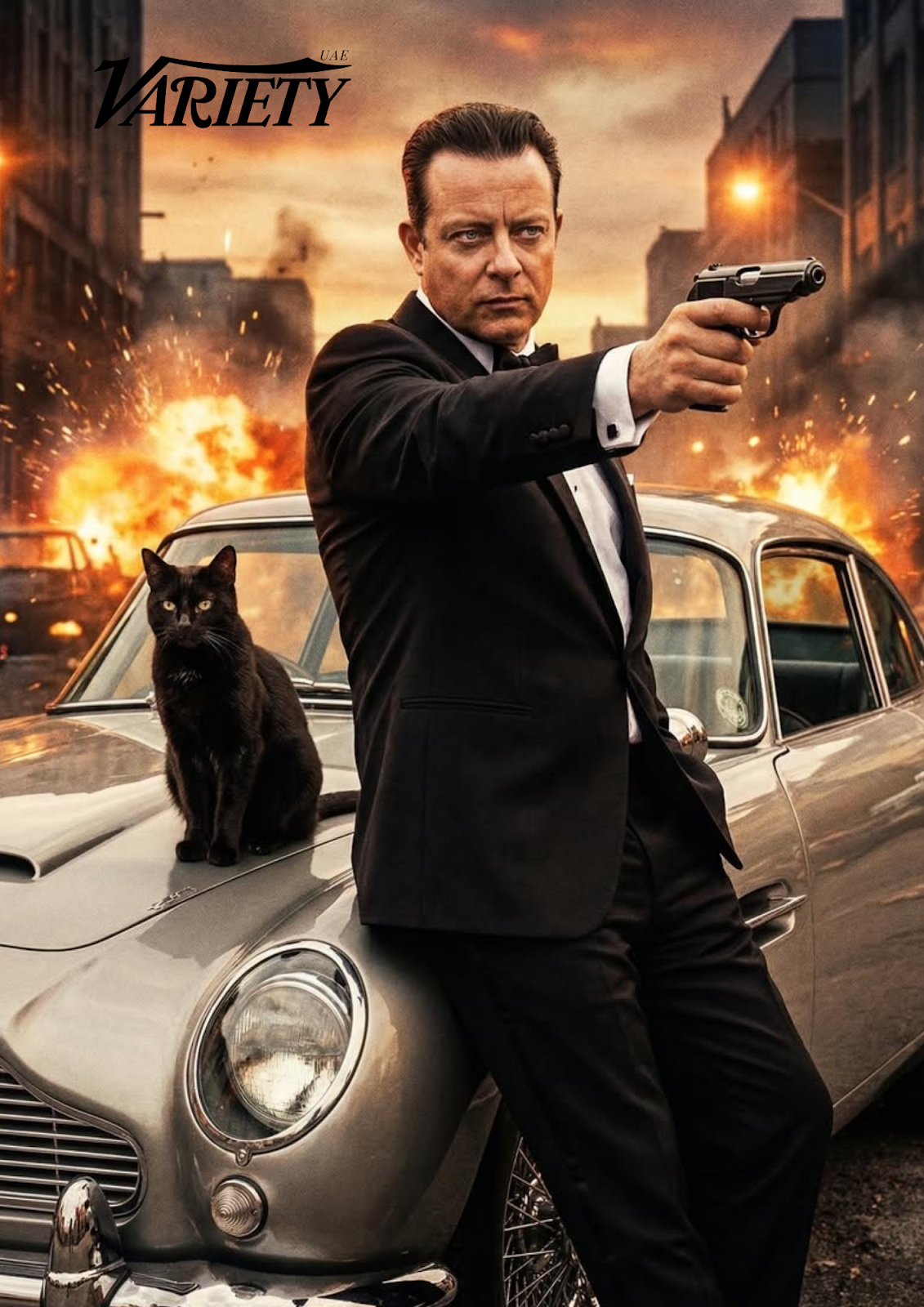
Espionage Meets Intimacy
Spy thrillers have long thrived on spectacle—wide-angle chases, international landscapes, and explosive action sequences. Traditionally, the genre has been built for the big screen, where scale enhances tension and drama.
The Spy and The Cat flips that paradigm.
By embracing vertical storytelling, the series trades sweeping visuals for emotional proximity. The frame tightens. The action becomes immediate. The audience is no longer observing from a distance—they are immersed in the moment, almost as if they are part of the mission itself.
Every glance matters.
Every hesitation carries weight.
Every micro-expression becomes a narrative tool.
This shift transforms espionage into something more personal and psychologically engaging, where tension is not just seen—it is felt.
The Story: A Partnership Unlike Any Other
A Spy, A Cat, and a Hidden World
At the core of the series is a seasoned intelligence operative, portrayed by Douglas Vermeeren, whose mission begins as a routine covert operation. But the assignment quickly evolves into something far more complex—and far more unpredictable.
His target is not a weapon, a document, or a human asset.
It is a cat.
This is no ordinary feline. The cat possesses heightened awareness, near-supernatural instincts, and an uncanny ability to anticipate danger. What begins as a retrieval mission transforms into an unexpected alliance, as the agent and the cat are forced to work together against a shadowy organization known as Coldspire.
Beyond Gimmick: A True Narrative Force
The brilliance of The Spy and The Cat lies in how it treats its most unusual character.
The cat is not comic relief.
The cat is not a novelty.
Instead, it functions as a co-strategist—an equal presence in the narrative dynamic. Where Vermeeren’s spy represents logic, training, and control, the cat embodies instinct, perception, and unpredictability.
Together, they form a duality rarely explored in espionage storytelling.
- Intellect meets intuition
- Control meets chaos
- Speech meets silence
In a genre dominated by lone operatives, this partnership introduces a refreshing emotional and strategic complexity.
Douglas Vermeeren: A Career Defined by Evolution
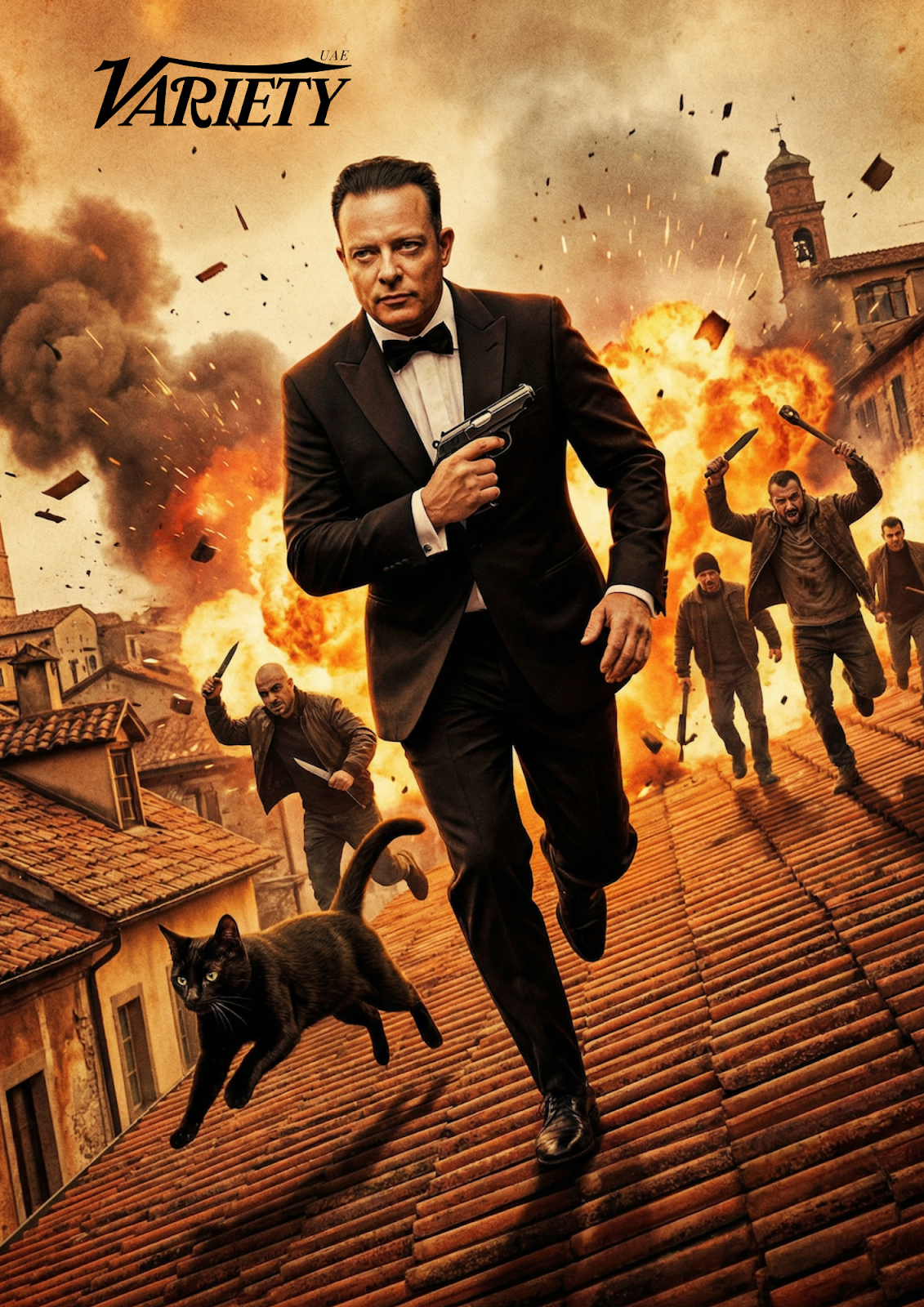
From Early Inspiration to Global Recognition
Douglas Vermeeren’s journey into acting began with a spark of cinematic inspiration. Influenced by classics such as Star Wars, Raiders of the Lost Ark, and Back to the Future, he developed an early fascination with characters who operate at the edge of danger.
His first on-screen appearance, as a newspaper boy in a CBC production, marked the beginning of a career that would span decades and continents.
Over time, Vermeeren built a reputation for versatility, portraying roles that range from authoritative law enforcement figures to deeply layered antagonists. His performances are often characterized by a blend of physical intensity and emotional nuance.
Award-Winning Presence
In 2024, Vermeeren earned Best Actor at the Universal Studios Oscar Viewing Party in Los Angeles for his performance in Jack Knife. The recognition solidified his standing as a compelling and reliable screen presence capable of carrying complex narratives.
Yet what distinguishes him is not just his acting ability—it is his instinct for evolution.
A Strategic Leap into the Future
Rather than remaining anchored in traditional formats, Vermeeren has consistently embraced emerging trends. His move into vertical microdrama is not an experiment—it is a calculated step into a rapidly expanding market.
The Spy and The Cat reflects his understanding that storytelling is no longer confined to theaters or television screens. It lives in the palm of the viewer’s hand.
The Rise of Vertical Microdrama
From Novelty to Dominance
Once dismissed as a fleeting social media trend, vertical storytelling has rapidly evolved into one of the most dynamic sectors in global entertainment.
Driven by smartphone consumption, vertical microdramas are designed for:
- Quick engagement
- High retention
- Continuous narrative hooks
Episodes typically run between 60 to 90 seconds, each ending with a compelling reason for the viewer to continue.
This format aligns perfectly with modern viewing habits, where audiences consume content in short bursts throughout the day.
Why Espionage Thrives in Short Form

Spy narratives are inherently episodic. They rely on:
- Cliffhangers
- Revelations
- Betrayals
- Escalating stakes
In a vertical format, these elements become intensified. Each episode acts as a concentrated dose of tension, delivering impact without unnecessary buildup.
The Spy and The Cat leverages this structure masterfully, ensuring that every moment counts.
The Power of the Frame: Vertical as an Emotional Tool
Close-Ups as Storytelling Devices
In traditional cinema, wide shots dominate action sequences. In vertical storytelling, the emphasis shifts dramatically toward close-ups.
This change enhances:
- Emotional resonance
- Character connection
- Subtle performance details
For Vermeeren, this means every gesture, every expression, and every pause carries amplified significance.
For the cat, it means something even more powerful.
The slightest movement—a flick of the ear, a shift in gaze—can become a narrative signal.
A New Kind of Immersion
The vertical frame creates a sense of immediacy that traditional formats cannot replicate. It feels intimate, almost secretive, as if the viewer is holding classified information.
This aligns perfectly with the themes of espionage.
The audience is no longer watching a spy story.
They are experiencing it—up close and personal.
The Cat as a Cultural Phenomenon
Tapping into Digital Culture
Cats have long dominated digital spaces. From viral videos to internet memes, they are among the most recognizable and beloved figures in online culture.
By integrating a cat into a high-concept espionage narrative, The Spy and The Cat bridges two powerful audience magnets:
- The intrigue of spy thrillers
- The universal appeal of feline content
This fusion creates a unique entry point for diverse audiences, including younger viewers who may be discovering the genre for the first time.
Beyond the Screen: Brand Potential
The feline co-star is not just a character—it is a brand in the making.
Producers have hinted at:
- Character-based merchandise
- Collectibles
- Interactive fan experiences
- Social media-driven engagement
In the fast-moving world of vertical content, audience interaction can amplify a project exponentially. The cat’s expressive presence makes it ideally suited for memes, fan art, and viral moments.
Industry Implications: A New Frontier
Shifting Production Models
The rise of vertical microdrama is reshaping the entertainment industry. Guilds and unions are beginning to adapt, recognizing the format as a legitimate and profitable medium.
With billions already circulating in the vertical content economy—and projections indicating rapid growth—early adopters stand to gain significant influence.
A Flagship Project in the Making
The Spy and The Cat is positioned as more than just a series—it is a potential benchmark for what vertical storytelling can achieve.
By combining:
- A seasoned, respected lead actor
- A globally recognizable genre
- An unexpected narrative twist
…it sets a new standard for how traditional storytelling can evolve.
Douglas Vermeeren as a Pioneer of Change

Leadership Through Innovation
Vermeeren’s involvement signals more than participation—it represents leadership.
In an industry often resistant to change, his willingness to embrace a new format demonstrates foresight and adaptability. He is not simply following trends; he is helping define them.
Balancing Tradition and Transformation
What makes this transition particularly compelling is how it preserves the essence of classic storytelling while adapting its delivery.
The tension, depth, and character complexity remain intact. Only the medium has changed.
This balance ensures that The Spy and The Cat appeals to both traditional audiences and a new generation of viewers.
The Future of Storytelling Is in Your Hands
From Screens to Smartphones
As viewing habits continue to shift, the definition of cinematic experience is expanding. The living room is no longer the primary stage—mobile devices are.
This shift demands:
- Faster storytelling
- Stronger hooks
- Immediate engagement
The Spy and The Cat meets these demands without sacrificing narrative quality.
A Story Built for the Scroll Era
In a world of endless scrolling, capturing attention is the ultimate challenge.
This series answers that challenge with precision:
- High-stakes espionage
- Emotional depth
- A unique central partnership
It is designed not just to be watched—but to be followed.
Conclusion: A Swipe Toward the Future
The Spy and The Cat is more than an innovative series—it is a statement about where storytelling is headed.
It proves that:
- Short-form does not mean shallow
- Mobile-first does not mean low-impact
- Innovation does not require abandoning tradition
At its center stands Douglas Vermeeren, an actor who continues to evolve with the industry rather than resist it.
By pairing a hardened spy with an enigmatic feline, the series creates a narrative that is both unexpected and deeply engaging.
And in doing so, it achieves something rare.
It makes audiences pause.
It makes them curious.
It makes them want more.
In the age of the swipe, that is the ultimate success.
